“Dar Imelda is a safe home for my mother and that makes my thoughts rested.
Whenever I asked something as regards within my mother, support and help were everytime there. “
Family member of Resident

“Dar Imelda is a safe home for my mother and that makes my thoughts rested.
Whenever I asked something as regards within my mother, support and help were everytime there. “
Family member of Resident
Mark* had a long history of substance abuse, which led to impulsive, risk-taking behaviors and a prolonged stay at the national hospital for mental health recovery. His parents were deeply worried about him, but after significant improvements, his medical team decided he was ready to regain independence and reintegrate into the community.
At Dar Victoria, we accepted Mark and worked with him to create a personalized care plan. His family provided strong support throughout, and we helped strengthen these ties, which played a key role in his progress.
Today, Mark functions well in society, independently managing tasks such as laundry, maintaining his living space, and attending appointments. His family is overjoyed with the remarkable transformation in his mental health and overall well-being.
Mark’s next goal is to fulfil his dream of volunteering at an animal shelter, where he hopes to give back by helping animals in need.
John* arrived at Dar Victoria as a young man struggling with social skills and daily living tasks, which deeply impacted his self-esteem and confidence. Initially withdrawn and unsure of himself, John found it difficult to engage with others. However, through regular outings and the support of our dedicated staff, he began to make gradual improvements.
A key moment in John’s journey was when we encouraged him to take a course focused on building skills for the work environment. This experience significantly boosted his confidence, helping him gain a sense of purpose and belief in his abilities.
John’s passion for cooking emerged as he began assisting staff in the kitchen. Today, he regularly helps prepare Sunday meals for the home, taking pride in his growing skills.
John’s transformation is a testament to the power of trust, encouragement, and the right support, showing that meaningful change is always possible.
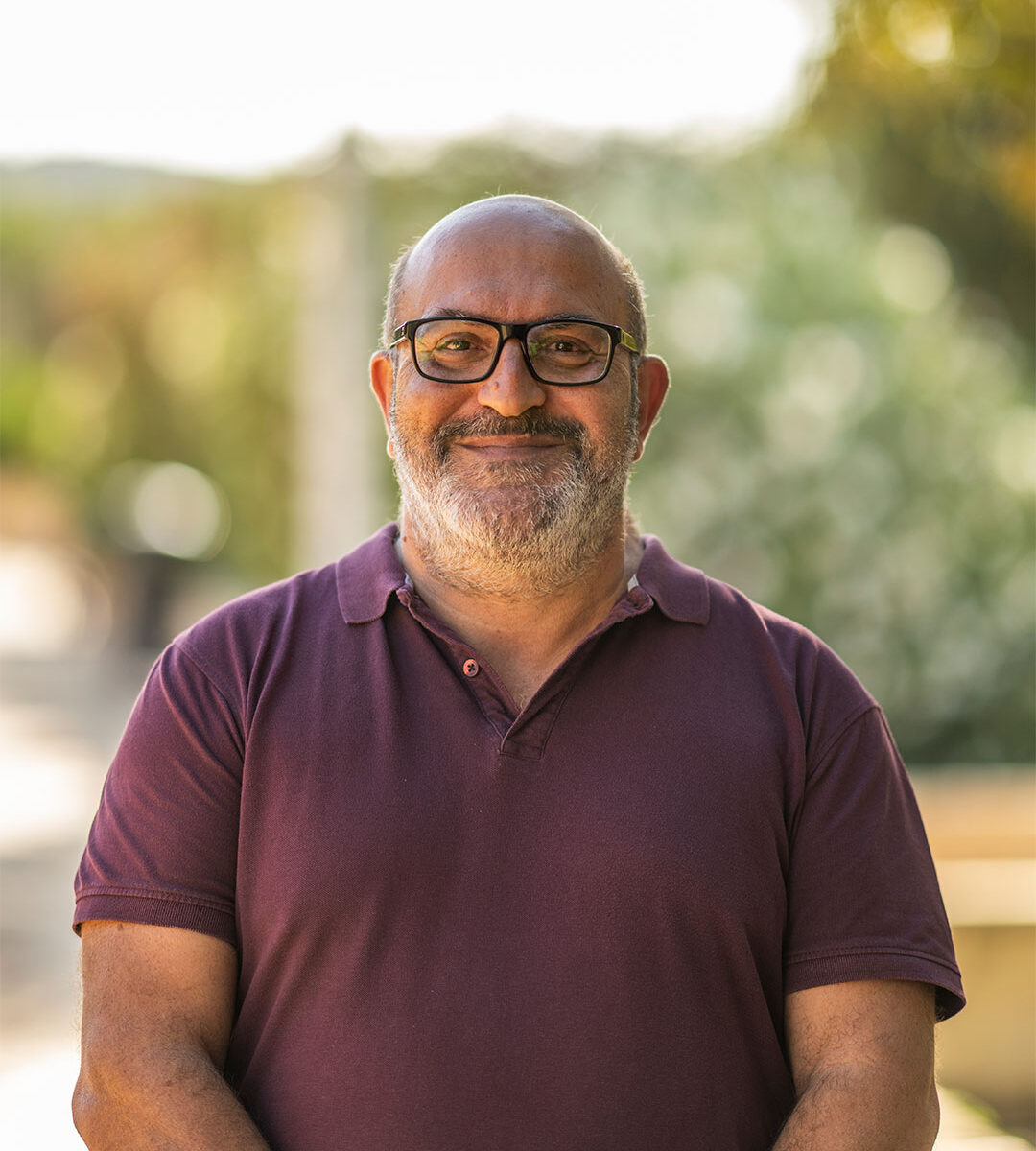
Mr Paul Scerri has been employed with FSIB since 2007, and he has been mainly responsible of administrative duties at our Head Office. As from 2022, Mr Scerri became the foundation’s Health and Safety Officer while also focusing on the overall general maintenance and safety of all our premises. In his free time, Paul is also involved in social, cultural and religious activities particularly those organised in Valletta.
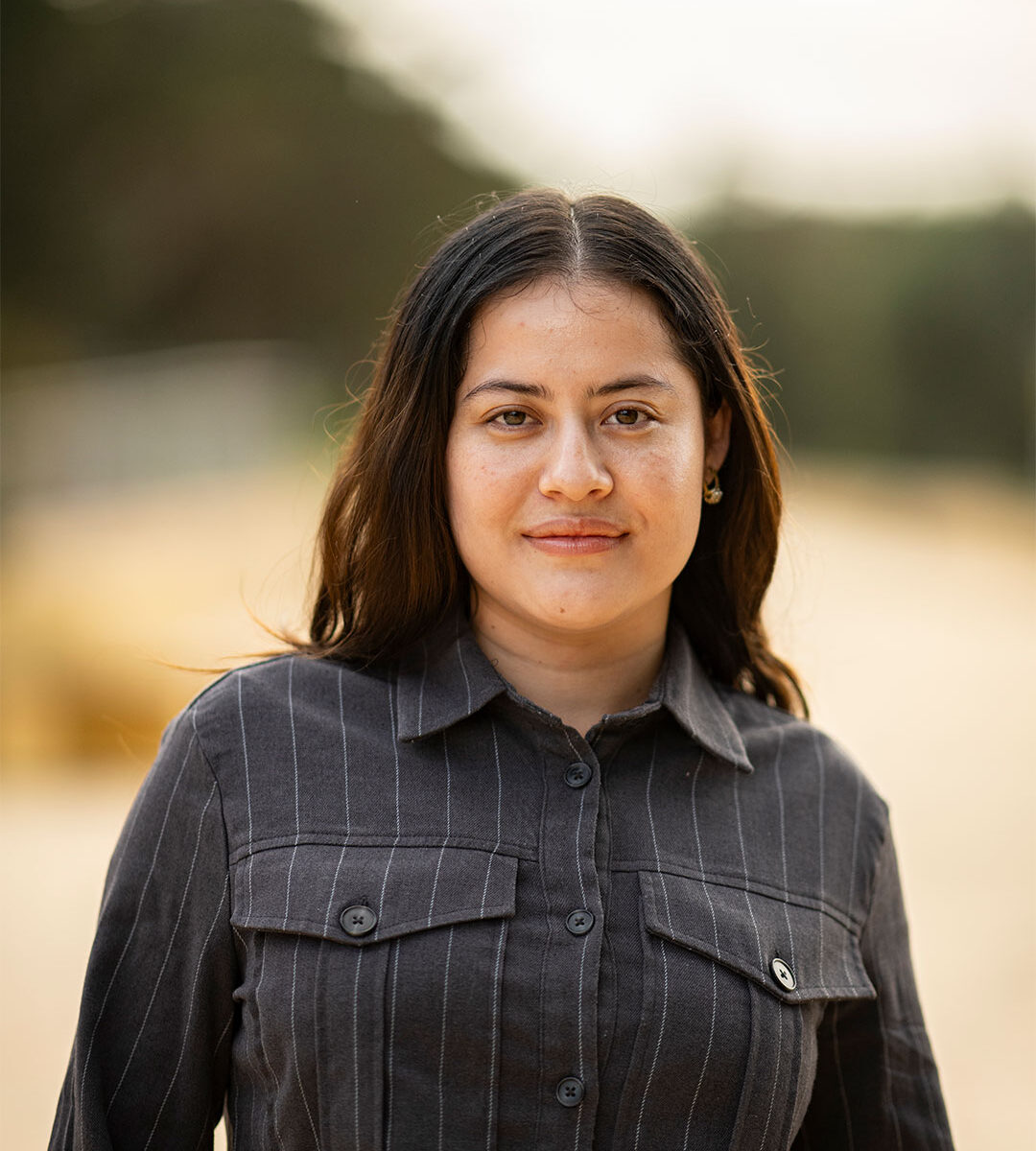
Ms Lopez graduated with a degree in Psychology in 2020 and has joined the team in 2024 as a Support Worker at Dar Imelda. Throughout her work experience she has been able to assist residents in providing emotional and social support in order to achieve an independent quality of life. In her free time Neyra enjoys watching movies.

Ms. Kimberley Xuereb always had a passion for the social sector, particularly for the most vulnerable sectors in society. She completed her Bachelor of Psychology (Honors) in 2016. Upon the completion of her undergraduate degree she started working with Fondazzjoni Suret il-Bniedem as a Support Worker at Dar Victoria. After a few months as a Support Worker Ms. Xeureb was selected for the role of Home Coordinator of Dar Imelda and Paul Debono, which was going to be inaugurated in a few months time. During this time, she was involved in the logistical preparations of a new service, the recruitment of the team, identifying the resident group and in creating the network required to establish the service within various sectors in the field. Ms. Xeureb is by far proud of her 7 year experience as the Coordinator of this Home and perceives this experience as the most rewarding. Being part of this project has continued to drive her to strive to keep up the level of services that Fondazzjoni Suret il-Bniedem offers. Between 2021 and 2022, Kim read for her Masters in Business Administration. Here, she continued to enhance her knowledge in the management field and eventually was able to reflect this in her work as well. In 2024 she embarked on a new journey as the Head Office and Logistics Coordinator. Although the residential setting is still very close to her heart, her interest and skills seem to have shifted to a more operational and logistical nature. Kim is still involved within the services but within her new role she is now putting together the services and operational aspects in a more intertwined manner. In her free time, Kim enjoys spending time outdoors, especially when it comes to camping and exploring nature.
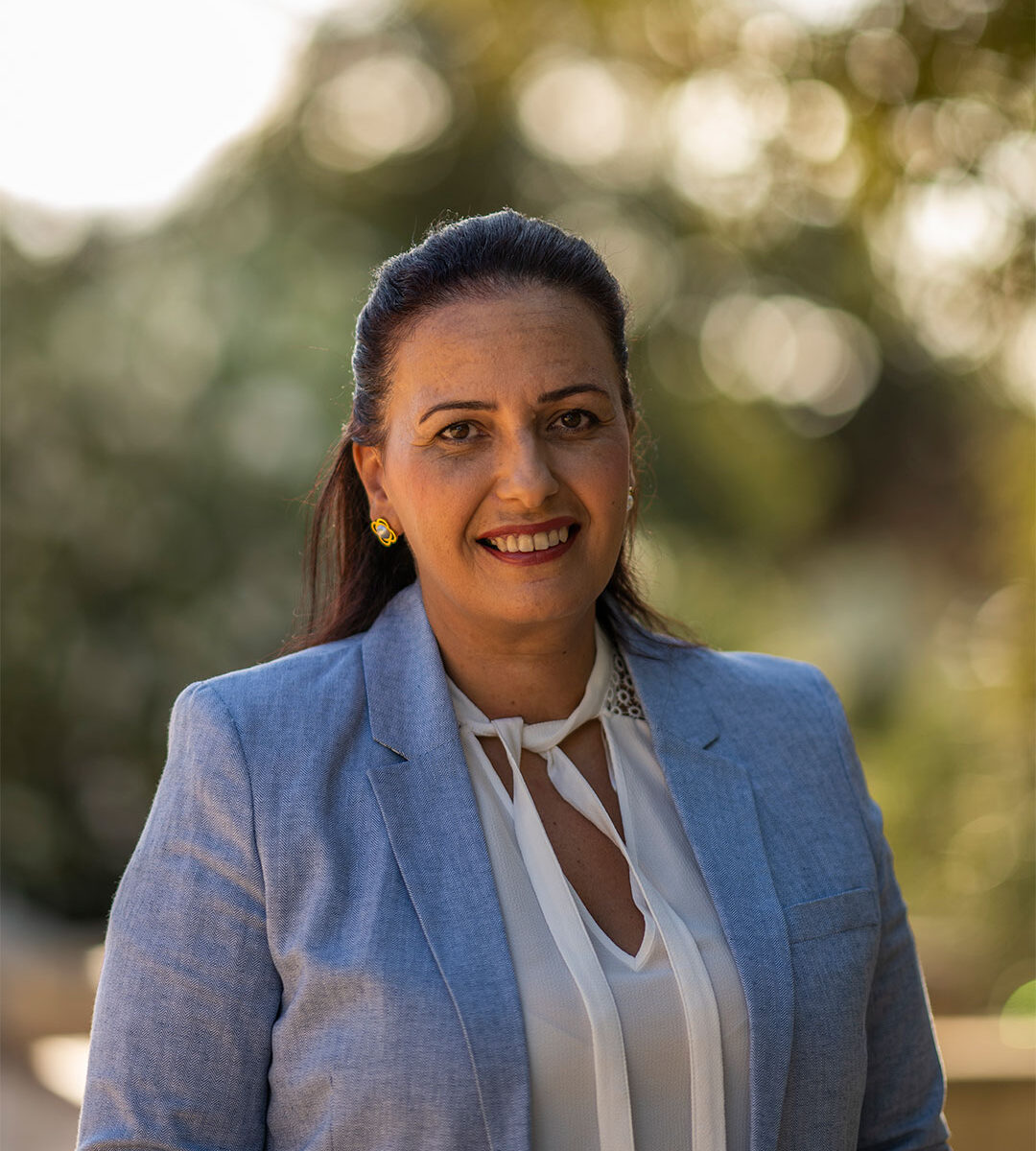
Ms. Sarah Bondin graduated from the University of Malta with a bachelor’s degree in psychology in 2002. She worked in various social care fields with non-governmental organisations including direct work with homeless women, children on the autism spectrum and young-people in out-of-home care, the latter as a Coordinator of a Home for unaccompanied minors asylum seekers. She obtained a Post-Graduate Certificate in Systemic Thinking from Tavistock Clinic in 2005 which she mostly applied in organisational settings, first as Head of Care and later as Service Manager for the Agency for the Welfare of Asylum Seekers. In her work in the field of migration she particularly focused on unaccompanied minors and vulnerable asylum seekers. She was a national expert on age and vulnerability assessment and as part of the senior management team she was also responsible for the development of services and the strategic development of the agency. She served as an expert on the development of a curriculum for reception workers at the European Asylum Support Office. Ms. Bondin continued her studies by reading for a Masters of Arts in Policy, Management and Government at the University of York where she graduated in 2013. In 2015 she started her journey as Director of The President’s Trust (later The Malta Trust Foundation) till early 2024 when she joined Fondazzjoni Suret il-Bniedem. Ms. Bondin is also a part-time lecturer of psychology at the Institute of Applied Health Sciences at MCAST. She enjoys travelling, reading and swimming and is a mother to a young teenager.
“Dar Victoria provides a supportive and safe environment for male patients suffering from severe and chronic mental illness. Without this residential home, many of the current residents would still be institutionalized in our mental health hospital since they need 24/7 support to live in the community.
The staff at Dar Victoria are dedicated and professional and go out of their way to help their patients. The staff help them with their day to day challenges and ensure that the patients have a good quality of life.
As a psychiatrist who works with patients suffering from severe and chronic mental illness, I am very thankful to the service that Dar Victoria offers to our patients.’”
Dr. Dimech, Consultant General Adult Psychiatrist, Mental Health Services Malta
At the different facilities of Fondazzjoni Suret il-Bniedem, the overall mission is the same and Dar Leopoldo, Dar Teresa Spinelli, Dar Victoria, Dar Franġisk and Dar Imelda u Paul Debono all operate with the same ethos.
All facilities have a common service-framework that ensures that we not only provide a safe space through the provision of a shelter or accommodation, but that we truly provide a good quality service that instils hope and empowerment in our residents to effectively deal with their circumstances and attain as much skills as possible to lead a dignified life.
All services operate over three phases, known as the key performance indicators.
Phase 1 – Assessment and Establishment
Referrals to Fondazzjoni Suret il-Bniedem are centralised through the Intake and Assessment team who conducts an initial assessment to establish that our services can cater for the holistic needs (medical, physical, social and emotional) of the referred person. It is in this way that we ensure that we not only provide accommodation but that we will be able to facilitate a meaningful placement. After admission the resident is supported to establish himself or herself within the home structure and daily routine. The professional team assists the resident to have a clearer picture of his or her situation within the new environment including the community that he or she will be residing in. The principle of individualisation is applied from the beginning according to the needs of the person.
Phase 2 – Interventions and Action Plans
This next phase is critical as it is the period when a care plan is agreed upon between the professional team and the resident. This care plan will prioritise the way forward by identifying needs, difficulties, setting realistic and attainable goals and agreeing on an action plan to achieve the desired goals or objectives. This may include improving daily living skills, personal care, repairing social and family networks, budgeting skills, recognising further educational priorities, preparing and engaging in employment and finding alternative housing. Other professionals/organisations and/or agencies may be identified to further assist the resident. During this process the team supports, encourages and facilitates through various interventions with the strong belief that despite the difficulties that the resident may encounter he or she can reach his potential. The services use a system of case reviews every six to eight weeks with the participation of all professionals, the resident and his or her family members (if appropriate and relevant). Case load management meetings are held bi-monthly where the team evaluates progress systematically.
Evaluation and Re-Integration
Once it is determined that the resident has reached his or her goals and is ready (health-wise, psychological and emotionally) to move on, efforts are directed towards a termination plan. This is done after it is also determined that termination is suitable for the needs of the resident. At this stage the professional team liaises also with the other significant members of the person (including other professionals) who will continue supporting the person in the community if this is suitable for the person concerned.
It is salient to point out that some different methods and tools do exist between the shelters (that is, Dar Teresa Spinelli and Dar Leopoldo) and the community mental-health services (Dar Victoria, Dar Franġisk and Dar Imelda) and whilst the overall framework is the same, the service-provision is also designed to cater for the particular objectives of the specific service.
The Foundation strives to provide the best quality of service to the residents and any interventions are carried out in the best interest of the residents with the aim of endeavouring their wellbeing and dignity. The residents play a crucial role in co-creating with us the best possible individual pathways for their short-term and long-term wellbeing. The residents’ participation in creating their own plans whilst we walk the planned journey together with them is at the core of our service-provision.
“The success of our services is driven by the collective efforts of all – be it our beneficiaries, staff, volunteers, donors and other supporters. By working together we create a network of trust and shared responsibility that amplifies the reach and sustainability of our work. Our initiatives are shaped also by the voices of our residents because their participation is at the heart of our work. Finally we hold ourselves responsible to the highest standards of services, constantly reviewing and improving our processes to ensure they meet the evolving needs of our community”.
Sarah Bondin – General Manager
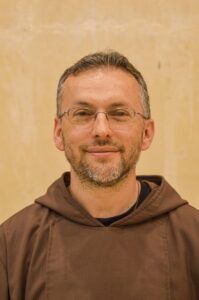
The Suret il-Bniedem Foundation was founded by the Capuchin Friars Minor in Malta. The life and mission of the Capuchin Friars Minor are to be characterized by a particular virtue, which was so dear to our founder Saint Francis of Assisi, and which is considered to be the crown of all virtues, namely, humility, or to use a more Franciscan term, minority. This virtue touches the heart of the Franciscan charism. In fact, Saint Francis once willfully exclaimed: “I want this Order to be called Order of Friars Minor!”
What impressed Saint Francis in the life and ministry of Jesus was not Christ’s power to heal people or that he was a miracle worker, nor that he attracted crowds by his inspired teachings or that he raised people from the dead, but rather the abasement, the kenosis (i.e. the emptying of himself), the humility of Jesus exemplified in his Incarnation, in his Passion and death on the Cross, and in the mystery of the Holy Eucharist. No wonder the text of the washing of the feet was Francis’ favorite Gospel text! The humble gesture of the Son of God who in the Last Supper bends himself to the ground to carry out the work of a slave, left Saint Francis in awe and amazement of the humility of Jesus.
Any follower of Francis (religious, cleric or lay) can truly say that he/she has internalized the Franciscan spirit if his/her life and work is imbued by a true spirit of humility or minority. Authentic Franciscan spirituality is founded on the sure rock of humility. Humility is the guarantee of true holiness. Indeed, there is no true holiness without a genuine effort to truly live the most-worthy motto of Saint John the Baptist, “He must increase and I must decrease” (Jn 3:30). I clearly remember that at the death of our Capuchin brother and bishop Mons. Paul Darmanin, everyone had one word to say: “What a truly humble pastor he was!” This is the most beautiful certificate that a Capuchin friar can receive at his death!
The humility, the minority of the Capuchin friar propels him to prefer those forms of apostolate that are considered the most difficult and the lowest in society, and which place him in direct contact with the poor, the destitute, the needy and those who are found in the peripheries of society. This ‘going out’ to minister to those in the fringes of society is very much in line with Pope Francis’ constant reminder since the beginning of his pontificate that, “The Church is called to come out of herself and to go to the peripheries, not only geographically, but also the existential peripheries: the mystery of sin, of pain, of injustice, of ignorance and indifference to religion, of intellectual currents, and of all misery”.
Perhaps this is what the Suret il-Bniedem Foundation is all about. It reveals a joint effort by Capuchin Friars, lay volunteers and employed staff, in an attempt to alleviate the wound of homelessness in Malta. This is a most relevant project since homelessness is a growing reality that is pushing people to the periphery of society. By reaching out to this specific “periphery”, Suret il-Bniedem Foundation is giving a sure witness of how minorty can be incarnated.